Stay Current

Everyone in the public media world reads Current, right?

Well, Current isn’t just on paper any more. Be sure to join the fray online at a new Ning site setup by editor Steve Behrens. It’s called, cheekily enough, DirectCurrent.

So far writers from Current and readers are posing questions and sharing ideas both related to recent articles and just out of the blue. Good stuff.

Free account setup required. See you there!

Get Connected

If you’d like a preview of some of the difficulties headed for the public media space, look no further than all the blogging and analysis — and sniping — going on in the newspaper industry. Public media’s problems will be different in style and emphasis, but the core problem is identical.

Be sure to read the latest post by industry veteran and analyst Steve Yelvington.

It’s about connecting with your community in an honest, human way. This is less important for the national outlets, but critical for those in smaller markets where community connection will be critical. Knock over the ivory tower, if you have one…

DTV Conversion: 199 and counting

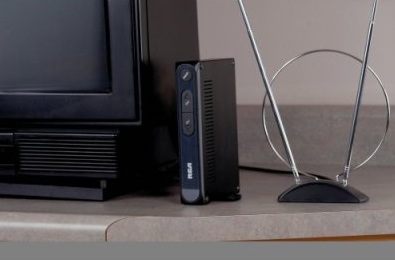
We’re now just 199 days from the end of (the vast majority of) analog TV broadcasts in the United States.

That would be February 17, 2009 for those keeping score.

I’m ready — I’m sitting on cable and I have a DTV antenna outside — it’s just not hooked to the TV yet. How about you?

NPR + PI = ?

I started writing Thursday afternoon about the NPR purchase of Public Interactive, but I figured I’d better stop. I have experience with both entities, I’ve read the press release, but I’m going to give the NPR and PI community 24 hours to express their thoughts first.

Because, at face value and based on the PR piece, I’m baffled as to why this is such great news.

The only way this purchase makes sense is if there’s something new NPR is planning that didn’t get described in the press release.

Please, public media blogosphere and Twitterverse, educate me! Can you complete the equation in this post’s title?

Doug Gordon's Modest Proposal for Public Radio

Don’t bother bringing the forks, knives and napkins, but Doug Gordon has some thoughts to share for the public radio work in the U.S. Delivered via — gasp! — video!

Definitely some interesting thoughts delivered by this Corner Gas extra.  Okay, not really… I mean, they are interesting thoughts, but I don’t think he’s been on Corner Gas. 😉

My favorite suggestion is the last — engaging the public in co-creation of public media. Which is a really scary thought for some pubmedia types I know.

By the way, I stumbled across this video because Doug Gordon posted it himself on the new, and growing, DirectCurrent social networking site put up by Current. Thanks Current!

Welcome KSKA listeners / visitors

I’m dropping in on KSKA Public Radio’s “Community Forum” program this afternoon (live at 2pm Alaska time) to talk blogging. For visitors stopping by — Welcome!

I’ll be posting links mentioned during the live show over at KSKA.ORG.

UPDATE: You can listen to or download the audio from today’s Community Forum program here.

One last BPP article (probably) and On The Media's Garfield feels the sting of the hive

Three good pieces of note that I’m finally getting to this evening.

First up (blogged earlier by Todd Mundt) is a take on the Bryant Park Project collapse from someone else that’s young and actually creating public radio programming. Only in this case it’s done on a small scale and is therefore sustainable.

The Sound of Young America‘s Jesse Thorn chimes in on both the BPP and the Fair Game cancellations. He offers lots of insightful commentary (so read the whole thing); here’s one great passage:

Fair Game and especially BPP were designed for a multi-platform future that’s in its earliest stages. Despite speculation to the contrary, both were building very strong podcast audiences. That said, both PRI and NPR are organizations that can’t afford to alienate stations, and that means they can’t really go directly to listeners for money. So the only real option available to them to monetize those online audiences is underwriting, and that’s a pretty modest revenue stream right now. So while both shows were relatively good at online stuff, they weren’t getting much money out of it. Certainly not millions of dollars.

Separately, On The Media‘s Bob Garfield is getting a lesson on web comments this week in the wake of the latest OTM show. Garfield went off in the show about web-based comments and commenters, even provoking Ira Glass to refer to him as a “royalist” with respect to how he views comments and the great unwashed masses.

One media commenter and experienced software pro — Derek Powazek — went a step further and wrote two pieces about comments and how they should work, taking Garfield to task for ignoring a long 10-year history of better comments across the web as well as playing the part of Grandpa Simpson.

This is Not a Comment (26 July 2008)

The story completely missed moderation queues, reputation management systems, or any of the hundreds of comment systems built over the last decade to address this very problem. Garfield seems to base the entire story on some bad comments on the OTM site, a site that provides a completely open, no signup required, comment system. But instead of asking “Is there a better way to do this?” he goes for the much easier story: “Gosh internet commenters sure are dumb!”

10 Ways Newspapers Can Improve Comments (28 July 2008)

The real reason comments on newspaper sites suck isn’t that internet commenters suck, it’s that the editors aren’t doing their jobs. If more newspapers implemented these 10 things, I guarantee the quality of their comments would go up. And this is just the basic stuff, mostly unchanged since I wrote Design for Community seven years ago.

Powazek’s seminal book is basically out of print at this point, only available via used book sellers starting at $50 a copy. But the 10 points he offers above are a great condensed version to get you started.

I’m hoping to use his ideas (and the book) to get things rolling (someday!) in my own shop in Anchorage.

And I’m still in the camp that believes your ability to serve your community — online or otherwise — will keep you alive whereas a mass media approach in which you teleport content in from other places won’t make it in the future.

UPDATE: Jeff Jarvis recounts the many examples in which the web community has responded to Garfield’s notes on comments. He links to no less than 8 cogent comments on commenting.

The BPP ends, the BPP Diner begins

Well, today is the first Monday without the Bryant Park Project since they went on the air last fall. Last Friday they posted this tongue-in-cheek end-of-show video:

http://static.ning.com/BPPDiner/widgets/video/flvplayer/flvplayer.swf?v=3.4.4%3A6369
Find more videos like this on The BPP Diner

BPP lovers can continue to meet on a new social networking site here, kindly started by BPP listener and public media consultant extraordinaire Robert Paterson.

I’ve joined and I’ll be fascinated to see if the community is sustainable once the core of the social network — the hosts and staff — are no longer working 40+ hours a week on an NPR program and sharing that experience with the “diners.”

Sex testing for athletes? The future is here!

Okay, this has nothing to do with public media, but it just caught me off-guard today. The NY Times reports Olympics officials in China are prepared to do gender testing on athletes to ensure females competing in female events are actually female.

Well, this was predicted several years ago by the short-lived (though still alive) animated series Futurama. Good news for the Olympics — they’re still around in the year 3000…

[flashvideo filename=video/BendHer.flv /]